Tree Pruning in Georgia: Why It's Essential for Healthy Trees Year-Round
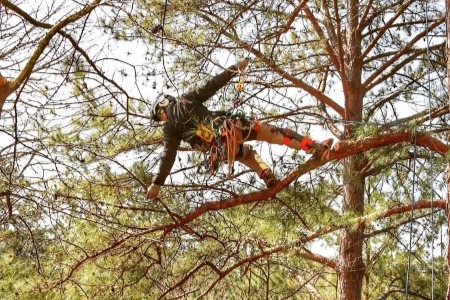
In Johns Creek, trees grow fast through our warm summers and flush again after gentle winters. That steady growth is great for shade, but crowded limbs, weak unions, and storm damage can creep in. Thoughtful, professional pruning shapes growth, protects your home, and keeps trees strong for the long haul.
If you have branches near the roof, over the driveway, or shading turf too heavily, it may be time to book professional tree pruning. A skilled arborist looks at structure, species needs, and local weather patterns, then makes careful cuts that guide new growth instead of fighting it later.
What Proper Tree Pruning Really Does
Good pruning is not about taking off the most wood. It is about removing the right wood. Arborists read the tree's framework the way a builder reads a blueprint. Strategic cuts reduce risk now and set the tree up to carry leaves, fruit, and wind loads in the future.
- Directs growth to strong, well-attached limbs for a stable canopy
- Improves airflow and light under the crown to support lawn and garden beds
- Creates clearance for roofs, gutters, and sidewalks to reduce wear and damage
- Removes dead, diseased, or crossing branches that can spread problems or fail
Improper cuts can leave stubs that never seal, invite decay, and weaken a tree for years. The right cuts happen at the branch collar, sized to the limb, and timed to the species.
When to Schedule Pruning in Georgia
Timing depends on the tree and your goal. Many shade trees respond best to light structural work during late winter while they are dormant. Flowering trees may be pruned right after bloom, so you do not cut off next year's color. Safety-driven work, like removing a broken limb, can happen any time.
Seasonal Considerations in Johns Creek
Our area sees bursts of growth after warm rains, plus frequent summer thunderstorms that push canopies hard. Early spring and late winter often offer the best window for structure and clearance. Summer touch-ups focus on safety and visibility, especially along driveways in neighborhoods like Medlock Bridge, Rivermont, and St Ives.
Fall is a good time for health checks. Arborists scan for cankers, decay near old wounds, and weak attachments before winter wind. Light thinning can reduce sail effect so crowns move with, not against, gusts across Newtown Park and along the Chattahoochee corridor.
Signs Your Trees Need A Professional
You do not need to climb a ladder to spot concerns. A quick look from the ground can tell you a lot.
- Dead tips or whole branches that do not leaf out
- Branches rubbing or crossing, especially in the lower crown
- Limbs growing toward the roof, gutters, or power service drop
- Mushrooms or soft wood near old cuts or at the base
- Heavy, one-sided canopies leaning over driveways or play areas
If you notice cracks where big limbs meet the trunk, avoid standing under the tree and call an arborist right away. That junction carries a lot of weight and can change quickly during storms.
How Arborists Decide What to Cut
Every cut should have a purpose. Certified and credentialed arborists use pruning objectives, then select techniques that match those goals. For a front-yard red maple, the goal might be a stronger structure and 8 feet of sidewalk clearance. For a backyard oak, it might be reduced in height above the patio and provide more light for the turf.
Safety, Clearance, and Structure
To create safe clearance, arborists shorten target limbs back to a lateral branch that is large enough to take over growth. They avoid topping, which creates weak sprouts and future problems. Structural pruning focuses on a single dominant leader, well-spaced scaffold branches, and removal of narrow V-shaped unions that split under load.
Species and Local Conditions
Crepe myrtles, hollies, and magnolias common around Johns Creek respond differently from oaks and pines. Light, frequent touch-ups help ornamental shapes hold clean lines. Large shade trees often benefit from less frequent, more strategic work that preserves natural form. In humid Georgia summers, careful thinning improves airflow, which helps foliage dry faster after rain.
Johns Creek trees face sudden summer storms and brief winter cold snaps. A light structural prune before spring growth can reduce wind stress, while post-storm inspections catch cracked or hanging limbs early. Keep people and pets away from any limb that looks split or partially detached.
Common Myths About Tree Trimming vs. Pruning
People often say trimming when they mean pruning. Trimming can mean generic shaping. Pruning is more precise. It considers biology and structure, so the tree responds healthily. Topping a tree to make it shorter is not pruning. It shocks the tree, triggers weak sprouts, and sets up future failures.
Another myth says pruning is only for old trees. Young trees benefit the most. A few smart cuts in the first years train a strong structure, reduce future conflicts with driveways and windows, and save you from removing large limbs later. Think of it like braces for a smile, done early for the best long-term result.
The Risk of Delaying Pruning Around Your Home
Waiting can feel easier, but problems compound. A rubbing branch can wound bark all season. Deadwood can fall in the next thunderstorm. Crowded crowns trap humidity that favors leaf problems and fungus.
Unchecked lower limbs can block sightlines near neighborhood intersections or driveways. In areas like Johns Creek Walk and near Old Alabama Road, sightlines matter for safety as families bike and walk. Routine care lowers risk without changing the tree's natural beauty.
- Less storm debris after heavy rain and wind
- Better light for lawns and gardens
- Reduced wear on roofs, gutters, and fence lines
- Safer clearances for people, vehicles, and delivery trucks
Why Experience Matters With Arborist Work
Tree biology is complex, and mistakes can take years to show. A knowledgeable Georgia arborist understands growth habits, wound response, and how our climate influences healing. They know where the branch collar is, how big a cut a tree can seal, and how to balance a crown without over-thinning.
Large limbs are heavy, and a bad cut can swing or fall in ways that surprise even seasoned DIYers. Reputable teams use ropes, friction devices, and careful rigging to protect your property while they work.
How Often Should Trees Be Pruned?
There is no one-size schedule. Many landscape trees do well with a check every 2 to 3 years, while fast growers may need light touch-ups more often. After construction, new driveway work, or a major storm season, consider an extra assessment. The right cadence varies by species, site, and goals.
Choosing the Right Tree Services
Look for clear objectives, clean cuts, and a plan that matches your property. Ask how the team protects roofs, lawns, and gardens. Professionals should explain what they are removing and why, then walk the property with you when the work is done.
If you are comparing options, start with a company that handles canopy structure, storm-readiness, and clearance together. That integrated approach keeps trees healthy and your home protected. You can always begin with a safety review, then map out a multi-year plan with local tree services you trust.
Pruning for Curb Appeal and Comfort
Beyond safety, pruning shapes the way your landscape feels. Lifting a low canopy can make small front yards feel larger. Selective thinning opens views to the street while keeping privacy from upstairs windows. In backyards, reducing overhang above a deck brings in sunlight without losing shade at midday.
Well-pruned trees frame the house, highlight architecture, and let seasonal color pop. Thoughtful work now means fewer emergency calls when summer storms roll through Autrey Mill and Shakerag. It is a simple way to invest in both beauty and resilience.
Ready for Healthier Trees All Year
Healthy trees do not happen by accident. They are the result of steady, informed care that respects biology and local conditions. If you are seeing dead tips, crowded growth, or branches hovering over the roof, it is time to have a pro take a look. A brief visit can reveal exactly what the canopy needs and when to schedule it.
Want safer, better-looking trees this season? Schedule a visit with Executive Arbor Tree Care and talk through your goals for each tree. Call us at 770-231-6370 or book with our pruning specialists to get started.
Schedule Your Tree Service In Johns Creek Today!