Tree Trimming vs. Tree Removal in Johns Creek, GA: How to Decide What’s Best for Your Yard
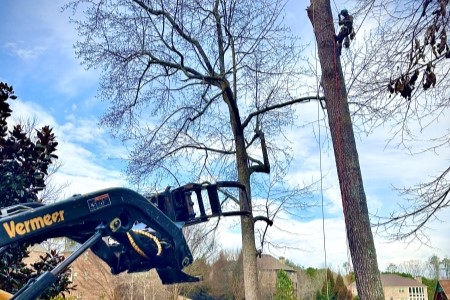
If you are torn between trimming a problem tree or taking it down, you are not alone. Many Johns Creek homeowners face this choice after a storm, during a renovation, or when a tree starts declining. This guide walks you through the key differences so you can protect your home, your landscape, and your peace of mind. When removal is the safest route, talk with a local pro about tree removal before damage or disease spreads.
Your decision should balance safety, tree health, property goals, and neighborhood character. In North Fulton communities like Medlock Bridge, Seven Oaks, Newtown, and near the Chattahoochee corridor, lot sizes, HOA expectations, and shade patterns all play a role. The right choice keeps your yard attractive and your family safe, especially during summer thunderstorms and the occasional winter ice event.
How to tell if trimming or removal is the smarter move
Start with your goal. Are you trying to keep a healthy tree strong, or to manage a hazard? A careful assessment often shows the path forward.
- Choose trimming when a healthy tree has minor issues like crossing limbs, light storm damage, or overgrowth shading turf.
- Choose removal when structural defects or advanced decline make failure likely, especially near roofs, driveways, or play areas.
Do not ignore a sudden lean or heaving soil around the base. Those are red flags for instability. Pines and shallow-rooted species can fail fast in saturated soils common after heavy rain along the river and creek lowlands.
Situations where removal is usually the safest option
Removal becomes the responsible choice when risk outweighs the benefits of keeping the tree. These are the most common scenarios we see around Johns Creek neighborhoods:
Large dead or dying sections. If more than a few major limbs are dead, the tree may not recover. Decay can hollow the trunk, even if the canopy still shows leaves in spring.
Active root or trunk decay. Conks or mushrooms on the trunk, soft or spongy wood, and deep cracks point to internal decay. Trees with serious decay near driveways or property lines can fail without much warning.
Repeated storm failures. If a tree drops big limbs every storm season, it is telling you something. Frequent failure patterns suggest deeper structural problems that trimming alone cannot fix.
Conflicts with structures that pruning cannot solve. Trees rubbing a roof, pressing against a foundation, or crowding a septic field often require more than a trim. Removal may prevent damage that costs far more to repair.
When trimming is the smart, long-term investment
Pruning keeps good trees healthy and reduces risk. It also brings more light into shaded yards in Country Club of the South or Doublegate where mature canopies are common.
- Shade management to help grass grow and improve airflow around the home
- Removing crossing or rubbing branches to prevent wounds and disease
- Cleaning storm-damaged tips to restore structure without over-thinning
- Elevating low limbs along sidewalks and driveways for better clearance
Responsible trimming follows ANSI A300 pruning standards and respects natural growth. Topping harms trees and increases future breakage. With good structural pruning while trees are younger, you can often avoid hard choices later.
What pros evaluate in Johns Creek yards
A trained arborist looks well beyond the canopy. They evaluate roots, soil, history, and targets in the drop zone. Here is what that looks like in our area:
Site conditions: Heavy clay soil, irrigation patterns, and drainage near the Chattahoochee can weaken root anchoring. After long wet periods, even a modest wind gust can push a compromised tree past the tipping point.
Species tendencies: Bradford pear and certain hybrid pears often split at crotches as they age. Loblolly pines can lean after wind events. Mature red oaks need careful structural checks where past pruning left big wounds.
Exposure and targets: Trees flanking driveways, play sets, pool enclosures, or property lines carry higher consequence of failure. Reducing risk for these targets can drive the decision toward trimming or removal.
How the decision process works
Good decisions follow a simple pathway. First, define your goal, then weigh risk and tree value, and finally choose the service that best supports that goal.
1. Define goals: shade, views, lawn health, pool cleanliness, or construction. 2. Assess tree condition and risk. 3. Pick the service that reduces risk while preserving value. If removal is necessary, plan for replanting so your yard does not lose long-term shade or curb appeal.
If you are exploring options for tree removal in Johns Creek, GA, prioritize a local team that understands neighborhood guidelines and how soils behave after heavy rain. Local experience helps you avoid surprises on the day of service.
Risk signs you should take seriously
Never assume a tree will “bounce back” next spring if decay is present. Visible fruiting bodies, deep cracks, or cavities are advanced symptoms. Cables or braces can support some trees, but they do not cure structural decay.
Watch for soil heaving, roots lifting, a fresh lean, or soil cracking on the tension side of the tree. These are urgent signs. Branch dieback across the top of the canopy can also signal a failing root system underground.
Why timing matters in Johns Creek
Summer thunderstorms arrive fast and can drop limbs in minutes. Winter ice sometimes adds weight that stressed trees cannot carry. Acting before peak storm periods reduces emergency calls and protects nearby trees, fences, and roofs.
Trimming is usually scheduled during mild weather for the least stress on the tree. Removal can be done year-round with proper planning and safety controls. A professional crew will protect turf, manage traffic, and coordinate with utilities when needed.
What to expect with professional trimming
A reputable crew will walk the site, mark pruning cuts, and explain how each cut improves structure. They will remove deadwood, thin where needed for light and wind movement, and clear low limbs for access. The goal is a natural, balanced canopy that handles wind better and grows predictably.
Cleanup matters. Expect chips, limbs, and sawdust to be collected and the site raked. If you prefer to keep chips for garden paths or beds, ask before the crew begins so they can leave a neat pile where you want it.
What to expect with professional removal
Removal is a controlled process planned around your property. Crews may use sectional rigging, cranes, or compact loaders depending on access and nearby structures. The trunk is lowered in pieces, the stump is ground below grade, and the area is cleaned so you can replant or re-sod.
When removal is the right call for safety, look for a clear plan that protects your roof, fencing, irrigation, and landscape lighting. If you are weighing this choice now, learn how a local team handles permits, utilities coordination, and haul-away as part of safe tree removal.
Healthy yard planning after removal
A thoughtful replant keeps your landscape resilient and beautiful. Plant the right tree in the right spot, considering mature height, root spread, and canopy shape. Smaller ornamental trees can bring seasonal color without overwhelming smaller lots, while medium shade trees can cool patios and second-floor windows.
Match species to site. Dry, full-sun front yards need different trees than moist backyards along drainage swales. Space new trees away from rooflines and utility lines, and give them room to mature without heavy future pruning.
Protecting your investment with routine care
Routine inspections catch problems while they are still small. Seasonal checks in spring and late summer work well in Johns Creek, when growth and storms are most active. Pruning intervals vary by species and site, but consistent care keeps trees safer and more attractive.
Want to learn more about caring for your landscape trees year-round? Browse our latest tree care tips to stay ahead of storms and seasonal changes without over-pruning.
How to choose the right tree services partner
Look for proper insurance, professional training, and equipment suited to your site. Ask how crews will protect lawns and hardscapes, and what their plan is for neighborhood access and parking. Local references from Johns Creek and nearby North Fulton communities can give you confidence in the team you select.
Get a clear written scope before any work begins. It should outline pruning objectives or removal steps, cleanup, stump handling, and what is included in haul-away. Clarity up front prevents misunderstandings later.
Still unsure? Use this simple decision filter
Ask yourself three questions. Is the tree healthy enough to keep providing shade and value with proper trimming? Is the risk of failure acceptable for its location? Does keeping the tree align with your goals for light, views, and future projects?
If the answers lean toward safety concerns or repeated failures, removal is likely the responsible choice. If the answers favor health and structure, targeted trimming will usually meet your goals and protect the tree.
Ready to make a confident choice in Johns Creek?
Whether your tree needs selective pruning or a full takedown, Executive Arbor Tree Care is here to help. A quick site visit and risk assessment can bring clarity so you can move forward with confidence. For friendly, professional guidance, call 770-231-6370 and speak with our local team today.
If you decide the tree has to come down, our crew will manage everything from planning to cleanup with care and safety at the forefront. Start the conversation about the right next step for your property by contacting our team or exploring service details above. We are ready to help you protect your home and keep your landscape thriving. Give us a call for tree removal in Johns Creek.
Schedule Your Tree Service In Johns Creek Today!